Is a life without stress really the goal?
We tend to treat stress as something to eliminate. A more useful view is that stress is a normal response, and what matters is how much, how long, and how we meet it.

Dr. Kheng Kien Soo, MBBS
Family physician, anti-ageing and aesthetic medicine
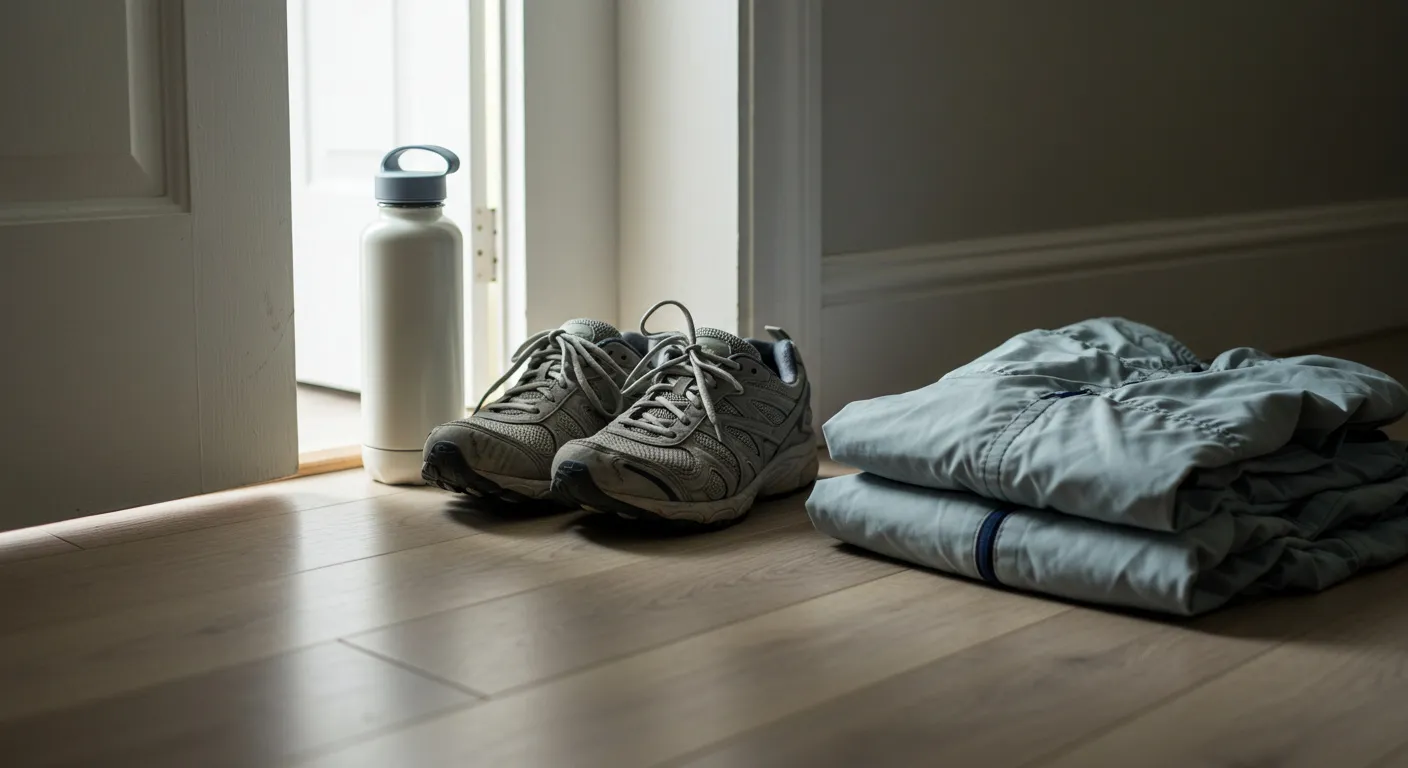
Patients often describe stress as if it were an illness to be cured, something to be removed from life entirely. It is an understandable wish. But a life with no stress at all is neither possible nor, on reflection, desirable. Stress is a normal biological response, and in the right amount it is useful.
The more helpful question is not how to eliminate stress, but how to keep it in a range that helps rather than harms.
What stress actually is
Stress is the body’s response to a demand. Faced with a challenge, the body releases hormones that sharpen attention, raise heart rate and prepare us to act. In short bursts this is exactly what we want. It is what helps a person meet a deadline, prepare for an examination, or respond quickly in an emergency.
This short-term response evolved to switch on, do its job, and switch off again. The difficulty in modern life is that the switch often does not turn off. Pressures that are constant rather than occasional keep the response running in the background, and it is this sustained, low-level version that does the damage.
Why the same pressure affects people differently
Two people can face the same situation and respond in completely different ways. This is not a matter of one being stronger than the other. Several things shape how we experience a demand:
- Whether we feel in control of it. A pressure we can influence is far easier to carry than one we cannot.
- How we interpret it. The same event read as a threat or as a challenge produces very different internal responses.
- What support we have around us. Isolation makes almost any stress heavier.
- Our own history and temperament. These are real, and they mean there is no single correct way to respond.
Understanding this is itself useful. It moves the question from “why can’t I just cope” to “what specifically about this is hard for me,” which is a far more answerable one.
When stress stops being helpful
Short-term stress that resolves is part of a normal life. Stress becomes a health concern when it is prolonged and unrelenting, and when it begins to show up in the body and in daily function. Signs worth taking seriously include:
- Sleep that is persistently disturbed
- Ongoing tension, headaches, or digestive upset with no other clear cause
- Feeling constantly on edge, or unable to switch off
- Losing interest in things that normally matter to you
- Relying more on alcohol or other means to unwind
These are signals that the response is no longer serving you and has become a burden in its own right.
What genuinely helps
There is no single technique that works for everyone, and be wary of anyone selling one. What has reasonable evidence behind it is unglamorous and familiar:
- Regular physical activity, which is one of the more effective things a person can do for stress, not only for the body but for mood.
- Protecting sleep, since stress and poor sleep feed each other and breaking that loop helps both.
- Connection with others. Talking to someone, formally or not, consistently reduces the weight of a difficulty.
- A sense of agency. Where a pressure can be changed, changing even part of it helps. Where it cannot, the work is more about how we relate to it.
None of these are quick fixes, and that is rather the point. Managing stress well is a habit maintained over time, not a problem solved once.
When to seek help
If stress has tipped into persistent low mood, anxiety that interferes with daily life, or thoughts of not wanting to go on, that is not something to manage alone or to read your way out of. It deserves direct attention from a doctor or a mental health professional. Reaching out for that is a sensible step, not a failure to cope.
This article is general health information. It is not advice for your individual situation. If you are struggling with your mental health, please speak to a qualified healthcare professional.
- Stress
- Brain Health
The information on this website is for general educational purposes only and does not constitute medical advice, diagnosis or treatment. Always consult a qualified healthcare professional about your individual condition. Results vary between individuals.
← Back to articles