Why gut health keeps coming up in unrelated conversations
The community of bacteria living in your gut has been linked to digestion, immunity, weight and mood. Some of that is well established, some is early. Here is a measured look at what it means for everyday health.

Dr. Kheng Kien Soo, MBBS
Family physician, anti-ageing and aesthetic medicine
A patient rarely comes to the clinic asking about their gut bacteria. They come with fatigue, or bloating, or trouble managing their weight, or a general sense of not feeling right. Increasingly often, part of the conversation ends up being about the gut.
That is not a fashion. The community of microbes living in the digestive tract, usually called the gut microbiome, turns out to be involved in more of the body’s workings than was appreciated even a decade ago. It is worth understanding without overstating it.
What the gut microbiome is
Your gut is home to a large and varied population of bacteria and other microbes. In a healthy person they are not a problem to be eliminated. They help break down parts of food the body cannot digest on its own, produce certain vitamins, and interact constantly with the immune system.
Two features seem to matter most: diversity, meaning a wide range of different species, and balance, meaning no single group dominating in a way that crowds the others out.
What is well established, and what is still early
It helps to separate the two, because they are often mixed together.
Reasonably well established: diet strongly shapes the gut microbiome, and it does so quickly. A diet rich in plant fibre supports a more diverse population; a diet high in ultra-processed food and low in fibre tends to reduce it.
Still developing: the links between gut bacteria and things like mood, weight regulation and immune conditions are real areas of research, but much of it is early. You will see these connections described online with a confidence the science does not yet fully support. Treat sweeping claims with healthy caution.
What actually helps, based on what we know now
The practical advice is consistent, and it is mostly about food:
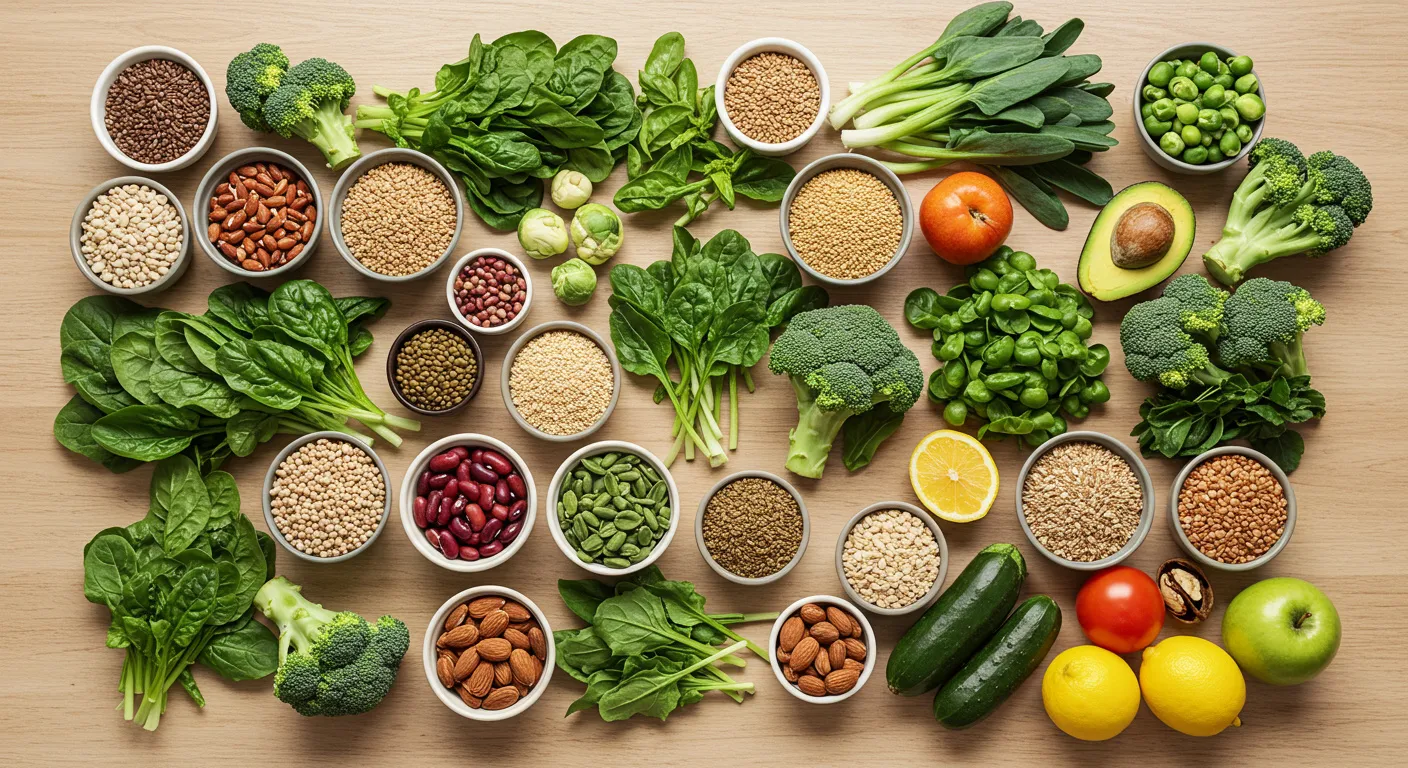
- Eat a wide variety of plants. Diversity on the plate supports diversity in the gut. Different vegetables, fruits, wholegrains, beans, nuts and seeds each feed different microbes.
- Prioritise fibre. It is the single most useful thing most people can do, and most people in modern diets do not get enough.
- Include fermented foods such as yoghurt and tempeh where they suit you.
- Go easy on ultra-processed food, which tends to be low in the fibre these microbes depend on.
- Use antibiotics only when genuinely needed. They are important medicines, but they also disturb the gut population, so they are worth taking when indicated and not otherwise.
A note on probiotics
Probiotic supplements are widely sold and widely asked about. The honest position is that the evidence is mixed and specific: some products help with some specific situations, but the idea that a general daily probiotic transforms your health is not well supported. A varied, fibre-rich diet does more for most people than a supplement, and costs less.
The reasonable conclusion
Gut health is genuinely important, and looking after it is largely a matter of eating well rather than buying anything special. Where it becomes interesting is that the same everyday habits that support the gut, a varied diet rich in fibre, also support cardiovascular and metabolic health. It is often the same advice arriving from a different direction.
This article is general health information. It is not advice for your individual situation. Please consult a qualified healthcare professional about your own circumstances.
- Gut Health
- Healthy Ageing
The information on this website is for general educational purposes only and does not constitute medical advice, diagnosis or treatment. Always consult a qualified healthcare professional about your individual condition. Results vary between individuals.
← Back to articles