The gut wall: a barrier you rarely think about
The lining of your small intestine decides what enters your body and what stays out. When it works well you never notice it, which is exactly why it is easy to overlook.

Dr. Kheng Kien Soo, MBBS
Family physician, anti-ageing and aesthetic medicine
Most people think of the gut as a tube that food passes through. It is more accurate to think of it as a border. The lining of the small intestine is one of the largest surfaces where your body meets the outside world, and its job is to let the useful things in while keeping the rest out.
When that border does its job, you are not aware of it at all. It is only when something goes wrong that the gut starts to demand attention.
What the lining actually does
The wall of the small intestine is a single layer of cells, sealed together at the edges, covered in a layer of mucus and populated by a large part of the body’s immune system. It performs two jobs that pull in opposite directions.
It has to be open enough to absorb nutrients, water and minerals from what you eat. And it has to be closed enough to keep bacteria, undigested particles and toxins out of the bloodstream.
Balancing those two demands, across a surface this large, every day, is a considerable piece of work. Most of the time it happens quietly and well.
When the balance is disturbed
A number of everyday things can affect how well this lining works: a diet very low in fibre, frequent use of certain medications, high alcohol intake, prolonged stress, and some infections. The research in this area is active and still developing, and it is easy to find confident claims online that run well ahead of the evidence.
What can be said with reasonable confidence is that the gut lining is not a fixed, unchangeable structure. It responds to how you live, and diet is one of the larger influences on it.
What tends to support it
The advice here is unglamorous, which is usually a sign that it is real rather than a fashion:
- A varied, fibre-rich diet. Fibre feeds the bacteria that in turn help maintain the gut lining. Vegetables, fruit, wholegrains, beans and lentils all contribute.
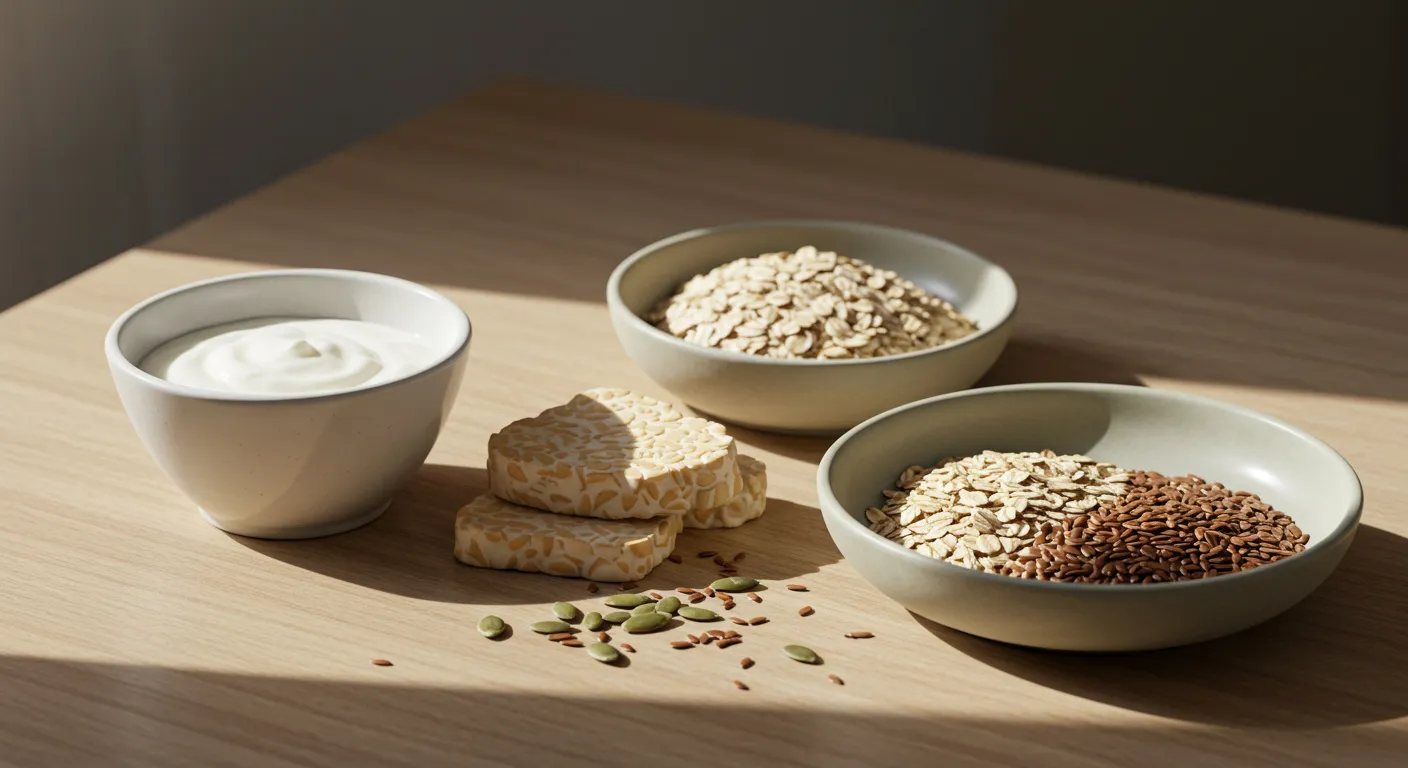
- Fermented foods such as yoghurt and tempeh, as part of a normal diet.
- Not overusing medications that irritate the gut, particularly regular painkillers taken without a clear need. Discuss long-term use with your doctor.
- Attention to stress and sleep, which affect the gut more than most people expect.
You will notice there is no supplement or single product on that list. Products promising to “heal” or “seal” the gut are common and are mostly ahead of the evidence. Be cautious with them.
When to see a doctor
A healthy gut lining is not something you need to monitor or worry about day to day. But some symptoms do deserve proper assessment rather than self-treatment:
- Persistent changes in bowel habit
- Unexplained weight loss
- Blood in the stool
- Ongoing abdominal pain, bloating or discomfort that does not settle
These can have many causes, most of them benign, but they should be looked at by a doctor rather than managed with supplements bought online.
This article is general health information. It is not advice for your individual situation. Please consult a qualified healthcare professional about your own circumstances.
- Gut Health
- Nutrition
The information on this website is for general educational purposes only and does not constitute medical advice, diagnosis or treatment. Always consult a qualified healthcare professional about your individual condition. Results vary between individuals.
← Back to articles